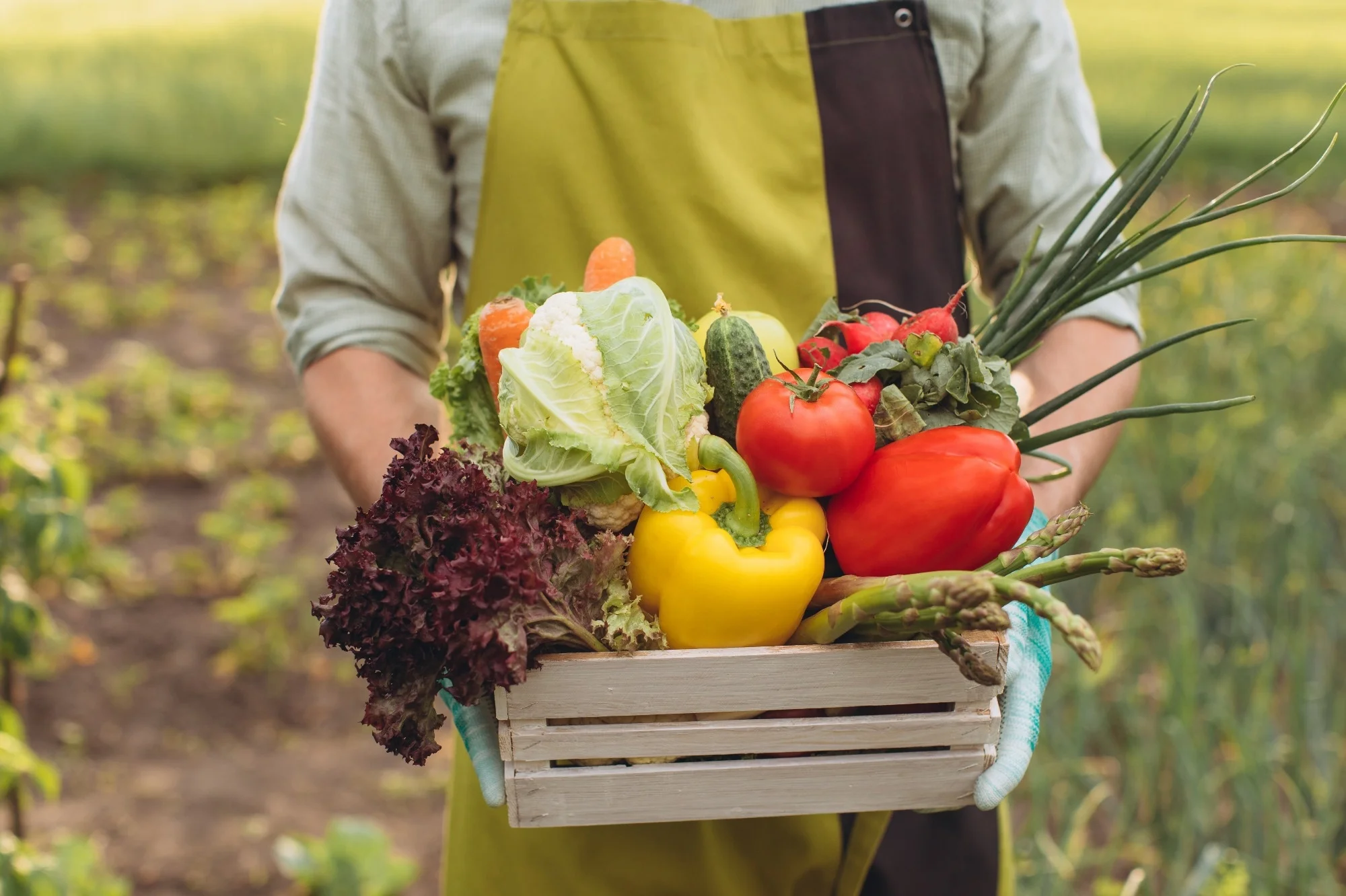
Walk through any bazaar in Dhaka and you will hear the same worries from shoppers: is this vegetable fresh, was this fruit ripened with chemicals, is this honey pure? Over the last few years, these questions have pushed many families to look for organic food in Dhaka. Stores, Facebook pages, and delivery services now use the word “organic” everywhere. But the word alone does not guarantee anything.
This guide explains what organic food really is, why demand is rising, which products you can find, where to buy them, and how to avoid being fooled. Whether you are buying organic for the first time or want to make smarter choices, you will find practical answers here.
What Is Organic Food?
Organic food is produced without synthetic pesticides, chemical fertilizers, or genetically modified seeds. Instead of chemicals, organic farmers rely on natural methods:
- Compost and animal manure to feed the soil
- Crop rotation to keep soil healthy and reduce pests
- Biological pest control, such as neem-based sprays or helpful insects
- Natural weed control, like mulching and hand weeding
For animal products such as milk, eggs, and meat, organic generally means the animals are fed natural feed, have access to open space, and are not given routine antibiotics or artificial growth hormones.
One important point: organic does not simply mean “desi” or “village.” A locally grown vegetable can still be sprayed with pesticides. And a vegetable grown with organic methods can be a hybrid variety. Organic is about the method of farming, not the origin or the variety.
Organic Food In Dhaka
Dhaka is a fast-growing city where most fresh food travels long distances before reaching the market. Along the way, shoppers worry about preservatives, artificial ripening agents, and pesticide overuse. Here is why organic is gaining attention.
1. Concern about chemical residues. Conventional farming often uses pesticides and chemical fertilizers. Traces can remain on produce. Organic farming aims to reduce this exposure, which matters especially for children, pregnant women, and older family members.
2. Rising health awareness. Diabetes, high blood pressure, and heart problems are increasingly common in urban life. Many families are rethinking their diet and trying to eat cleaner, fresher food.
3. Better freshness and taste. Organic produce is usually sold closer to harvest time, and many people say leafy greens, tomatoes, and fruits taste better.
4. Environmental benefits. Organic farming protects soil health, saves water sources from chemical runoff, and supports biodiversity.
5. Supporting small farmers. Many organic sellers buy directly from small farms, which can give farmers a fairer price and encourage sustainable farming.
6. Trust and transparency. People increasingly want to know where their food comes from. Good organic sellers can tell you the farm, the district, and the farming method.
Types of Organic Food Available in Dhaka
The range of organic products has grown steadily. Here are the main categories you will come across.
1. Organic Vegetables
Leafy greens like spinach (palong shak), red amaranth (lal shak), and water spinach (kalmi shak) are among the most popular organic items. You can also find tomatoes, cucumbers, bottle gourd, pumpkin, brinjal, okra, and green chili. Availability depends heavily on the season, and organic vegetables often look less perfect than market vegetables. That is normal.
2. Organic Fruits
Seasonal fruits such as mango, litchi, guava, banana, papaya, and jackfruit are sold by organic sellers. Many shoppers choose organic mainly for mangoes to avoid artificially ripened fruit. Ask the seller how the fruit was ripened, because naturally ripened fruit is the point.
3. Organic Rice, Pulses, and Grains
Chemical-free rice, lentils (masoor, moong, chola), and flour are common in organic stores. These are staples you eat every day, which makes them a smart place to start if you want to shift to organic.
4. Organic Oils and Ghee
Cold-pressed mustard oil, sesame oil, and coconut oil are widely sold as organic. Desi ghee is another popular item. Since edible oils and ghee are often adulterated, buy only from sellers who can explain how they are made.
5. Organic Honey
Honey is one of the most commonly faked products in the market. Popular varieties include mustard flower honey, litchi flower honey, and Sundarbans honey. Real honey depends on flowering season, so beware of sellers who promise unlimited supply of every variety at all times.
6. Organic Eggs, Milk, and Poultry
Farm eggs, desi chicken, and fresh milk are often marketed as organic. The key question to ask is how the animals are fed and raised. If the seller cannot answer clearly, be cautious.
7. Organic Spices and Tea
Turmeric, red chili, cumin, and coriander powder are heavily adulterated in the open market, with colors and fillers added. Many people prefer trusted organic brands or buy whole spices and grind them at home. Organic tea from northern Bangladesh is also becoming easier to find.
8. Organic Fish and Dried Fish
Some sellers offer chemical-free and formalin-free fish. Because fish spoils quickly, the seller’s storage and delivery method matters a lot.
Where to Buy Organic Food in Dhaka
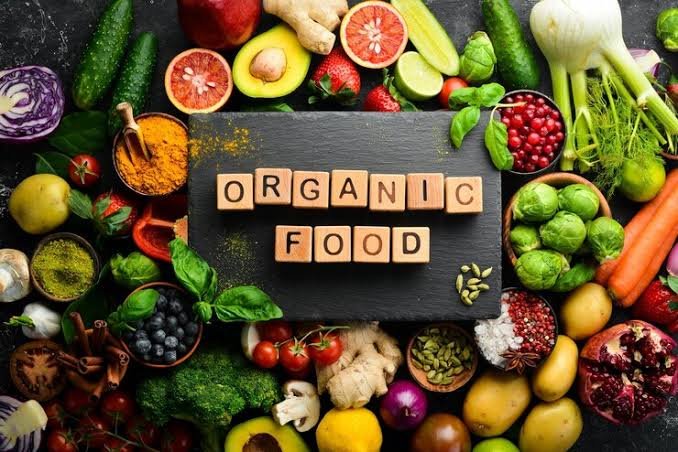
There is no single place to buy everything. Most shoppers use a mix of these options.
Dedicated organic stores. Several shops across areas like Dhanmondi, Gulshan, Banani, and Uttara specialize in organic and chemical-free products. Staff can usually answer questions about sourcing, and you can see the products in person.
Online shops and delivery services. Many organic sellers take orders through their websites or apps and deliver across the city. This is convenient for busy households, and many offer weekly or monthly subscriptions.
Facebook pages and social commerce. A large number of small organic businesses operate through Facebook and WhatsApp. Some are excellent, and some are not. Always check reviews, ask for photos from the farm, and start with a small order.
Superstores and supermarkets. Large supermarket chains in Dhaka now keep dedicated organic or “safe food” shelves. These are easy to reach and offer packaged products with labels, though the range may be limited.
Farmers’ markets and pop-up fairs. Occasional organic fairs let you meet producers directly, ask questions, and taste products before buying. Follow local event pages to find them.
Direct from farms. Some farms outside Dhaka sell weekly boxes directly to city customers. This can give you the freshest produce and the most transparency, though delivery schedules may be fixed.
How to Identify Genuine Organic Food
The biggest challenge with organic food in Dhaka is trust. Because the word is not always strictly regulated in everyday sales, some sellers use it as a marketing label. Use these checks.
1. Ask about the source. A genuine seller can tell you the farm, the district, and the farming method. Vague answers like “from village” are not enough.
2. Ask about certification and testing. Where available, look for recognized certification or laboratory test reports. For packaged goods, check for BSTI approval and proper labeling.
3. Look closely at the produce. Organic vegetables are often uneven in size and may have small holes or blemishes from insects. Perfectly shiny, identical vegetables deserve a second look.
4. Check the season. If a seller offers out-of-season vegetables or fruits at low prices and calls them organic, be skeptical.
5. Compare the price sensibly. Organic food costs more. If the price is almost the same as the regular market, ask why.
6. Read the label. On packaged items, look for the manufacturing date, expiry date, ingredients, and seller contact details.
7. Test simple items at home. For honey, do not rely on popular home tricks like the water test or the flame test, because they are not reliable. A trustworthy seller and lab-tested products are better indicators.
8. Start small. Buy a small quantity first and check freshness, taste, and how the seller responds to questions. Order more once you trust them.
9. Notice how the seller handles complaints. A reliable business will accept feedback and offer a fair solution if something goes wrong.
Is Organic Food More Expensive in Dhaka?
In most cases, yes. Organic prices are usually higher than regular market prices for several reasons:
- Organic farming often gives lower yields.
- It needs more labor for weeding and pest control.
- Small-scale production means higher cost per unit.
- Transport, cold storage, and packaging add to the price.
- Certification and testing, when done, add extra cost.
The good news is that you do not have to switch your entire kitchen at once. Here are ways to manage your budget:
- Buy seasonal produce. Seasonal organic items are cheaper and fresher.
- Prioritize daily items. Rice, cooking oil, and leafy vegetables are eaten often, so they are a good place to start.
- Choose subscriptions or bulk orders. Weekly boxes or group orders with neighbors can lower delivery costs.
- Compare two or three sellers. Prices and quality vary, so compare before committing.
- Reduce waste. Buy only what you can use in a few days, since organic produce spoils faster.
A Simple Seasonal Guide
Availability changes through the year, so it helps to shop with the seasons in mind.
- Winter: The best time for vegetables. Tomatoes, cauliflower, cabbage, spinach, radish, and many leafy greens are abundant and usually cheaper.
- Summer: Mango, litchi, jackfruit, and gourds are widely available. This is also when fruit adulteration worries are highest, so organic sellers are popular.
- Monsoon: Leafy greens and some vegetables become harder to grow and may cost more.
- Year-round: Rice, pulses, oils, spices, and tea are available in every season.
Buying in season is one of the easiest ways to get better quality at a fair price.
How to Store Organic Food
Organic products have no artificial preservatives or waxes, so they generally spoil faster than conventional produce. A few habits help:
- Leafy greens: Wash, dry well, and store in a container lined with paper in the fridge.
- Tomatoes and fruits: Keep at room temperature until ripe, then refrigerate.
- Rice, pulses, and flour: Store in airtight containers in a cool, dry place to prevent moisture and insects.
- Oils and ghee: Keep away from heat and direct sunlight.
- Honey: Store at room temperature in a tightly closed glass jar. Crystallization is natural and does not mean the honey is fake.
- Eggs and dairy: Refrigerate promptly and use within a short time.
Also wash all fruits and vegetables before eating, even when they are organic, since they can still carry dust and soil during transport and handling.
Common Mistakes to Avoid When Buying Organic Food
- Trusting the word “organic” without proof. Always ask questions.
- Assuming “desi” means organic. They are not the same thing.
- Ignoring the season. Out-of-season organic items are a warning sign.
- Paying full advance to unknown sellers. Prefer cash on delivery or start with a small order.
- Buying too much at once. Fresh organic food does not last long.
- Expecting perfect looks. Real organic produce is not always shiny or uniform.
Frequently Asked Questions
Is organic food available everywhere in Dhaka?
It is available in most major areas through stores or home delivery, but the variety differs by location. Areas like Dhanmondi, Gulshan, Banani, and Uttara tend to have more options.
Is “desi” food the same as organic?
No. “Desi” refers to a local variety. It may or may not be grown without chemicals.
Can I trust online organic sellers?
Many are reliable, but not all. Check customer reviews, ask about the source, confirm the return policy, and start with a small order.
Is organic food really healthier?
Organic food can reduce your exposure to chemical residues. However, the biggest health benefit comes from eating a balanced diet with plenty of vegetables, fruits, and whole grains, whether organic or not.
Why does organic food spoil quickly?
It has no artificial preservatives or wax coatings, so it has a shorter shelf life. Buy small amounts and store them properly.
What should I buy organic first if my budget is limited?
Start with items you eat every day, such as rice, cooking oil, leafy vegetables, and eggs.
Can organic vegetables have insects?
Yes, small insect marks or holes are common and can even be a sign that the vegetable was not heavily sprayed. Wash it properly before cooking.
Final Thoughts
The demand for organic food in Dhaka is growing, and so are the choices. That is good news, but it also means shoppers need to be careful. The label “organic” is only useful when it is backed by a transparent seller, a clear source, and honest pricing.
Start small. Switch a few daily items first, such as rice, oil, or leafy vegetables, and choose sellers who answer your questions openly. Shop with the seasons, store your food properly, and build a relationship with two or three trusted sellers. Over time, these small steps can make your family’s meals fresher, cleaner, and more trustworthy.